
Ayurvedic Doctor or Dermatologist? What Each One Actually Looks at When Your Skin Won't Clear
By Dr. Nina Fine
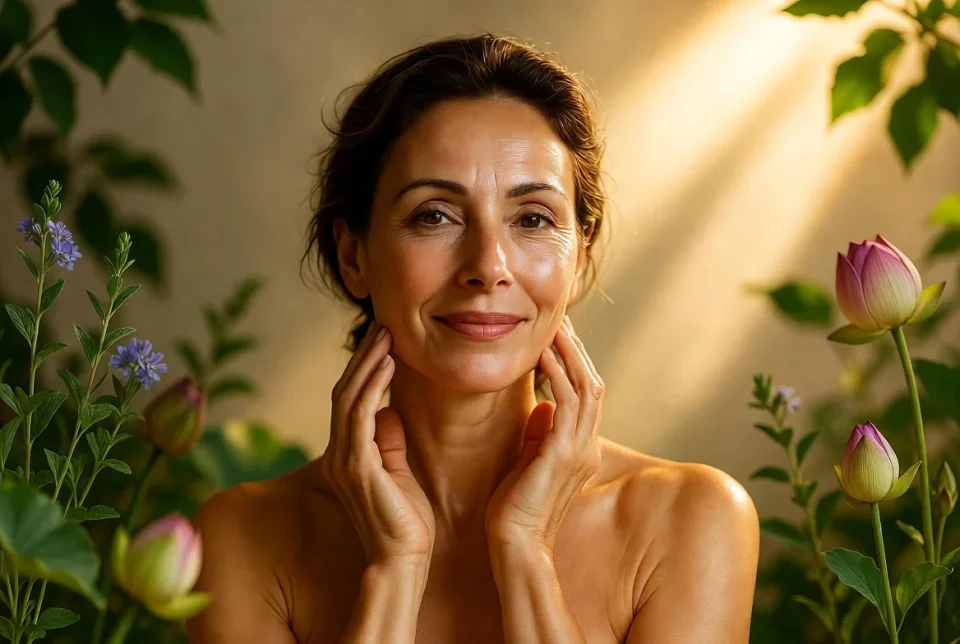
You've tried the creams. You've seen the dermatologist. Your skin still won't clear. So what's missing? An Ayurvedic Doctor looks at your skin in a completely different way than a dermatologist does — and that difference might be the missing piece. Let's break down what each one actually sees when you walk through the door.
Two Different Lenses, One Goal: Clear Skin
Both a dermatologist and an Ayurvedic Doctor want the same thing: skin that looks and feels healthy. But they get there through different paths. A dermatologist studies the skin as its own system. An Ayurvedic Doctor studies your whole body, starting with digestion, to find why your skin is acting up in the first place.
Neither approach is wrong. They just ask different questions. And when you understand both, you make smarter choices about your care.
What a Dermatologist Looks At
A dermatologist is trained to spot patterns on the skin itself. They look at breakouts, redness, texture, and pigment. They often check for infection, hormonal triggers, or genetic conditions. Their tools include prescription creams, oral medication, and in-office procedures.
This approach works well for managing flare-ups fast. But it doesn't always ask why the flare-up keeps coming back. That's where an Ayurvedic Doctor comes in.
What an Ayurvedic Doctor Looks At
An Ayurvedic Doctor, or AyD, starts somewhere you might not expect: your gut. In Ayurveda, skin is considered a mirror of your inner health. If your digestion is out of balance, your skin often shows it first.
The Role of Ama and Digestion
When digestion is weak, undigested food creates something called Ama. Ama is a sticky, toxic buildup that circulates through the body. It often shows up on the skin as breakouts, dullness, or inflammation. An Ayurvedic Doctor asks about your digestion, sleep, stress, and cycles — not just your skin — because these all connect to Ama.
We also look at your dosha. In Ayurveda, three energies shape your body and skin: Vata (wind), Pitta (fire), and Kapha (earth). An imbalance in one of these often explains why your skin reacts the way it does. Dry, flaky skin often points to a Vata imbalance. Redness and irritation often point to Pitta. Congestion and puffiness often point to Kapha.
This is exactly why I created the 10 Skin-Body Types system. It goes beyond "oily" or "dry" skin labels. It looks at your dosha pattern, your digestion, and your skin together, so we can find the true root cause — not just cover up a symptom.
Why Natick Clients Choose Both Approaches
Here in Natick, many of my clients have already tried the dermatology route. They come to our Ayurvedic spa looking for something more complete. They're not giving up on modern skincare science. They're adding a missing layer to it.
As both a licensed esthetician and an Ayurvedic Doctor, I sit right in the middle of these two worlds. I understand skin biology. I also understand digestion, dosha balance, and the deeper patterns that show up on your face. This dual training lets me connect the dots that a single-lens approach might miss.
How We Bridge the Gap at MySelf Ayurvedic Spa
At MySelf Spa, every visit starts with a real conversation. We talk about your digestion, your sleep, your stress, and your skin history. From there, we map your Skin-Body Type and build a plan around your specific imbalance.
A facial here isn't just about extractions and hydration. We choose herbal formulations based on your dosha — like neem for Pitta-driven redness, or ashwagandha for Vata-driven dryness. These aren't random picks. They're chosen to calm the root imbalance, not just soothe the surface.
We also offer shirodhara, a gentle stream of warm oil poured over the forehead. This calms the nervous system and supports Vata balance, which often shows up on the skin as fine dryness or sensitivity. Many clients notice their skin looks calmer within days, because the nervous system and skin are deeply linked.
For clients dealing with stubborn Ama buildup, we also guide a detox cleanse. This often includes Kitchari, a nourishing meal of mung beans, rice, and mild spices that's easy to digest. Giving your gut a break helps clear Ama, which often shows up on the skin days later as fewer breakouts and better tone.
Ready to Find Your Root Cause?
If you've been treating your skin from the outside only, it might be time to look deeper. An Ayurvedic Doctor doesn't replace your dermatologist. We simply ask a different set of questions, ones rooted in digestion, dosha, and whole-body balance.
If you're in or around Natick and your skin still isn't cooperating, come talk to us. We'll map your Skin-Body Type, look at what's really going on beneath the surface, and build a plan that makes sense for your body.
Book a consultation at MySelf Ayurvedic Spa today, and let's find the root cause together.
Tags
Ready to Experience Ayurvedic Care?
Start with a short skin quiz from Dr. Nina Fine, or book a personalized consultation.